

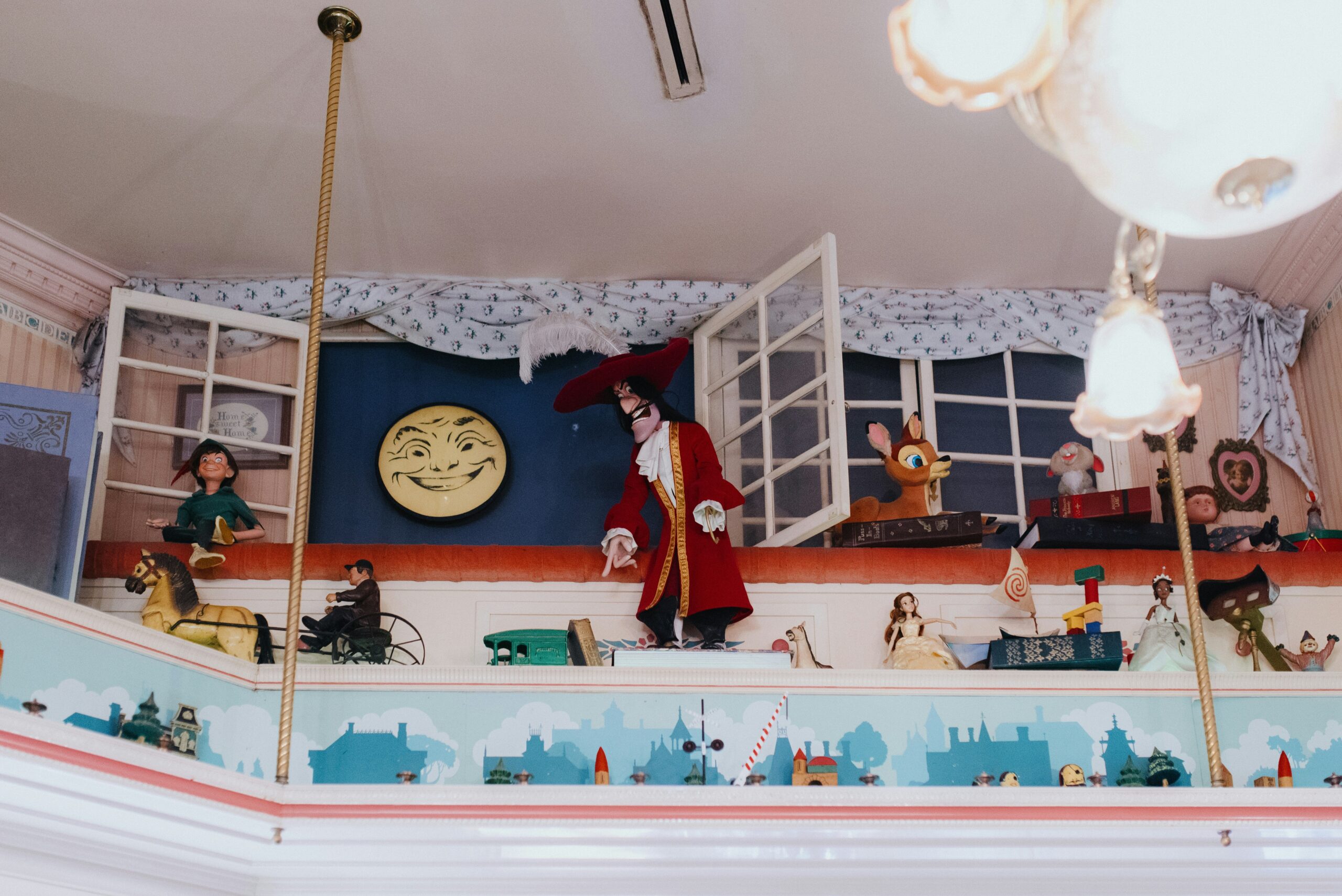
Shopping for Disney toys sounds simple until you see how many options are available. One shelf may be filled with Mickey Mouse plush toys, while another has Disney Princess dolls, Frozen playsets, Toy Story action figures, LEGO sets, musical toys, costumes, and collectible characters.
With so much choice, it is easy to buy something because it looks exciting or features a well-known character. However, the most popular toy is not always the best match for your child. A toy may look impressive in its packaging but lose its appeal after a few days if it does not suit the child’s age, interests, or way of playing.
The right Disney toy should feel personal. It should connect with a character your child genuinely likes, be safe for their age, fit your available space, and offer the kind of play they naturally enjoy.
How to Choose the Right Disney Toy for Your Child
The easiest way to choose a Disney toy is to start with your child rather than the product. Think about what they already enjoy doing. Do they make up stories with dolls? Build things for hours? Race toy cars across the floor? Carry a soft toy everywhere they go?
These habits can tell you more than a “best-selling” label.
Before purchasing, consider a few practical questions:
- Is the toy suitable for your child’s age?
- Does it feature a character they actually know and love?
- Will they enjoy playing with it independently?
- Is it safe, durable, and easy to clean?
- Do you have enough room to use and store it?
- Does the price make sense for the amount of play it offers?
- Is it meant for everyday play, travel, or a special gift?
Answering these questions will quickly narrow down the choices and help you avoid buying a toy that ends up forgotten at the bottom of a storage box.
Start With a Character Your Child Already Loves
Disney characters often become part of a child’s everyday world. They watch the movies, sing the songs, repeat favourite lines, and create their own stories based on familiar scenes. Choosing a toy linked to that interest can make the gift feel much more meaningful.
A child who watches Frozen regularly may be thrilled with Elsa and Anna dolls, an ice palace playset, or an Olaf plush toy. A fan of Toy Story might prefer Woody and Buzz Lightyear action figures that can be used to recreate adventures around the house.
Popular character-based choices include:
- Mickey Mouse toys
- Minnie Mouse toys
- Disney Princess toys
- Frozen toys
- Toy Story toys
- Cars toys and vehicles
- Stitch toys and plushies
- Moana toys
- Encanto dolls and playsets
Pay attention to the characters your child mentions without being prompted. The Disney film they ask to watch repeatedly or the character they pretend to be during playtime is usually a better guide than current toy trends.
At the same time, avoid assuming that every child wants the most obvious character. One child may love Ariel, while another is far more interested in Sebastian. A fan of The Lion King may prefer Timon and Pumbaa over Simba. Looking beyond the main character can lead to a toy that feels more personal.
Choose a Toy That Matches Your Child’s Age
Age recommendations are useful for more than safety. They also indicate whether a toy is likely to be interesting, manageable, and developmentally appropriate.
A complex Disney LEGO set may be exciting for an eight-year-old but frustrating for a preschooler. In the same way, a simple musical toy designed for toddlers may not hold an older child’s attention for long.
Disney Toys for Babies and Toddlers
Babies and toddlers usually respond best to toys that are soft, colourful, easy to hold, and simple to use. At this stage, children explore toys with their hands and mouths, so safety and durability should come first.
Suitable options may include:
- Soft Mickey Mouse or Minnie Mouse plush toys
- Disney bath toys
- Musical character toys
- Large stacking blocks
- Push-and-pull toys
- Simple shape sorters
- Chunky Disney character figures
For children under three, avoid toys with small removable pieces. Check that eyes, buttons, wheels, and decorative parts are securely attached. Washable materials are especially useful because toddler toys tend to get dirty quickly.
Soft Disney plush toys can also work well as comfort items. Characters such as Winnie the Pooh, Mickey Mouse, Minnie Mouse, Simba, Olaf, and Stitch are popular choices for bedtime, travel, or settling into a new routine.
Disney Toys for Preschoolers
Preschool children often enjoy pretend play. They may turn a bedroom into a castle, a sofa into a pirate ship, or a cardboard box into a race car. Toys that support storytelling usually work well at this age.
Good options include Disney Princess dolls, Frozen playsets, Toy Story figures, dress-up costumes, Cars toy vehicles, and simple interactive Disney toys.
A Disney dollhouse or character playset can encourage children to create their own conversations and adventures. They may begin by copying scenes from a film, but before long, the characters are usually taking part in completely new stories.
Puzzles, matching games, simple craft sets, and large building pieces can also be good choices for preschoolers who prefer quieter activities.
Disney Toys for School-Age Children
Older children often want more detail, challenge, and control over how they play. They may enjoy toys that can be built, collected, customised, or used in games with friends and family.
Popular choices for school-age children include:
- Disney LEGO sets
- Detailed action figures
- Larger Disney playsets
- Disney board games
- Craft kits
- Remote-controlled Cars toys
- Collectible Disney figures
- Character-themed puzzles
At this age, it helps to look at both the recommended age and the child’s individual ability. Some children enjoy complicated building sets earlier than others, while some prefer imaginative play for many years.
Match the Toy to Their Favourite Type of Play
Two children can love the same Disney movie and still want completely different toys. One Encanto fan may want Mirabel and Isabela dolls, while another may be more interested in building the Madrigal house.
The character creates the initial interest, but the type of toy determines how long the child is likely to enjoy it.
For Children Who Love Pretend Play
Children who enjoy creating stories usually get the most value from toys that can be moved, dressed, arranged, and combined with other toys.
Consider:
- Disney dolls and dollhouses
- Disney Princess playsets
- Character costumes
- Toy kitchens and tea sets
- Toy Story action figures
- Moana character sets
- Encanto dolls and accessories
Pretend play does not need to follow the film exactly. A child may send Elsa on a camping trip, invite Mickey Mouse to a tea party, or make Woody the driver of a toy bus. That freedom is part of what makes open-ended toys so useful.
For Children Who Like Building and Creating
Disney LEGO sets are a strong option for children who enjoy following instructions, solving problems, and making things with their hands. Sets are available in different difficulty levels, from simple builds for younger children to detailed display models for older children and adults.
Other creative choices include colouring sets, jewellery-making kits, sticker books, puzzles, and Disney-themed craft boxes.
These toys can help support:
- Fine motor skills
- Patience
- Problem-solving
- Concentration
- Creativity
- Following instructions
- Independent play
Choose a difficulty level that provides a manageable challenge. A toy that is too easy may feel boring, but one that is far too difficult can quickly become frustrating.
For Children Who Prefer Active Play
Not every child wants to sit with dolls, figures, or building blocks. Some children are happiest when they are running, riding, throwing, or racing.
Outdoor Disney toys may include:
- Character-themed scooters
- Disney balls and sports sets
- Ride-on toys
- Bubble machines
- Water-play toys
- Toy cars and racing tracks
- Skipping ropes
- Small play tents
Cars toys are an especially natural choice for children who enjoy movement and competition. A simple set of vehicles may provide more entertainment than a large electronic toy because children can create their own races and tracks.
For Children Who Love Comfort Toys
Disney plush toys remain popular because they offer both play and comfort. A plush character can become a bedtime companion, a travel buddy, or part of a child’s imaginative games.
Stitch toys and plushies have become particularly popular with children who like expressive, cuddly characters. Mickey Mouse, Minnie Mouse, Olaf, Simba, and Winnie the Pooh are also familiar choices that appeal across different age groups.
When choosing a plush toy, check the size carefully. Product images can make a small toy appear much larger than it really is. It is also worth checking whether the toy can be machine-washed or only surface-cleaned.
Look for Educational Value Without Making Play Feel Like Homework
A toy does not need to be labelled “educational” to help a child develop useful skills. Many Disney toys support learning naturally through storytelling, building, movement, and shared play.
Disney dolls and action figures can encourage language development as children create conversations between characters. Puzzles and Disney board games may improve memory and concentration. Building sets can support hand-eye coordination, spatial awareness, and problem-solving.
Different toys may help develop different skills:
- Dressing dolls can improve fine motor control.
- Creating stories can support vocabulary and communication.
- Sharing a playset can encourage cooperation.
- Puzzles can develop patience and visual thinking.
- Toy vehicles can improve hand-eye coordination.
- Board games can teach turn-taking and simple rules.
- Role-playing can help children explore emotions and social situations.
The best educational Disney toys are usually the ones that combine a useful activity with a character or story the child already enjoys.
Be careful, however, with toys that do almost everything automatically. Lights, music, voices, and movement can be fun, but a toy with too many fixed features may leave little room for imagination. A good balance often works best: one interactive toy alongside simpler dolls, vehicles, figures, blocks, or costumes.
Check Safety, Quality, and Durability
A toy can feature the perfect Disney character and still be a poor purchase if it breaks easily or is unsuitable for your child’s age.
Start by reading the packaging. Check the recommended age range, choking-hazard warnings, battery requirements, material information, and any supervision advice.
Look closely at:
- Small or detachable parts
- Sharp edges
- Loose stitching
- Battery compartment security
- Strong chemical smells
- Flaking paint
- Brittle plastic
- Poorly fitted accessories
For younger children, battery compartments should be secured with a screw. Plush toys should have firmly attached eyes and decorations. Toy vehicles should roll smoothly without wheels coming loose during normal play.
Durability also affects value. Children may drop toys, drag them from room to room, take them outside, or sleep with them every night. A slightly more expensive toy that survives regular use may offer better value than a cheaper one that breaks within a week.
How to Spot Fake Disney Toys
Counterfeit products can look convincing in online photographs, but they may use lower-quality materials or fail to meet expected safety standards.
When trying to spot fake Disney toys, look for clear branding, accurate character details, professional packaging, safety labels, and manufacturer information. Misspelled character names, unusual colours, blurry printing, or missing product information can be warning signs.
The seller also matters. Check customer feedback, return policies, product reviews, and how long the seller has been active. A price that seems far lower than every other listing may not be the bargain it appears to be.
Think About Size Before Bringing the Toy Home
Large Disney toys can look amazing in advertisements, but they are not always practical. Dollhouses, ride-on toys, racing tracks, and large playsets need enough floor space for play and storage.
Before ordering, check the product dimensions and think about where the toy will live. Will it fit in the child’s bedroom? Can it be stored after playtime? Does it come with dozens of small accessories that may be difficult to organise?
Consider:
- Where the toy will be used
- Whether it can be folded or taken apart
- How many loose pieces it includes
- Whether your child can tidy it independently
- Whether it needs a table or large floor area
- Whether siblings will be sharing it
For smaller homes, compact dolls, action figures, plush toys, card games, mini Cars vehicles, and travel-sized playsets may be more practical than one oversized toy.
Set a Budget That Makes Sense
Disney toys are available at almost every price point. A higher price does not always mean a child will enjoy the toy more.
Affordable Disney toys under $25 may include small plush characters, simple dolls, mini vehicles, colouring sets, bath toys, puzzles, figures, and card games. These can work well as birthday extras, travel toys, rewards, or small seasonal gifts.
A more expensive toy may be worthwhile when it offers long-term use. Examples include a durable Disney LEGO set, a large playset the child has wanted for months, a quality ride-on toy, or a family board game that several people can enjoy.
Before paying more, compare:
- Materials and build quality
- Number of accessories
- Customer reviews
- Replacement battery costs
- Age range
- Expected play value
- Whether siblings can share it
Try not to judge value by size alone. A small set of favourite character figures may be played with every day, while a large electronic toy may lose its appeal once the novelty wears off.
Decide Whether It Is a Play Toy or a Collectible
Most younger children need toys they can open, touch, move, and use freely. Collectible Disney toys may be designed for display rather than active play.
Disney toys for everyday play should be durable and easy to handle. Dolls, plush toys, figures, toy cars, playsets, costumes, and building sets are generally designed to withstand regular use.
Older children and teenagers may be interested in collectible items such as:
- Limited-edition Disney toys
- Vintage-style character figures
- Disney Villain collectibles
- Anniversary releases
- Detailed display models
- Special Disney LEGO sets
- Movie-themed collector dolls
Make sure everyone understands whether a collectible can be opened. A child may naturally assume that any toy is meant to be played with, even when an adult bought it as a display piece.
Choose According to the Occasion
The reason for buying the toy can also shape your decision.
For a birthday, you may want to choose something closely connected to the child’s strongest current interest. A larger Disney playset, dollhouse, LEGO set, or interactive toy can feel suitable for a main gift.
Disney toys for Christmas may work best when they offer plenty of play during the school holidays. Building sets, character collections, Disney board games, and imaginative playsets can keep children occupied for longer than novelty items.
Travel toys need a different approach. They should be compact, quiet, and easy to carry. Small plush toys, activity books, magnetic games, mini figures, simple puzzles, and Cars vehicles can fit easily into a backpack.
Avoid travel sets with many tiny loose pieces, especially when flying or taking a long car journey.
Use Reviews as a Guide, Not a Final Answer
Product reviews can reveal details that are difficult to judge from official photographs. Parents often mention whether a toy is smaller than expected, hard to assemble, unusually loud, fragile, or difficult to clean.
Useful review details include:
- Actual product size
- Assembly time
- Battery life
- Sound volume
- Missing accessories
- Durability
- Ease of cleaning
- Accuracy of the age recommendation
Look for patterns rather than focusing on one extremely positive or negative comment. If many reviewers mention the same issue, it is worth taking seriously.
Even so, a highly rated product is not automatically the right toy for your child. Reviews can tell you about the product, but you know the child’s personality and interests better than an online rating does.
Where to Buy Genuine Disney Toys Online
When deciding where to buy genuine Disney toys online, start with established retailers. The official Disney Store, well-known toy shops, department stores, authorised brand sellers, and reputable online marketplaces are generally safer choices than unfamiliar websites with little seller information.
Compare more than the price. Check shipping costs, delivery dates, return policies, product dimensions, seller ratings, and whether the item is being sold by the retailer directly or by a third-party merchant.
The difference between Disney Store toys vs. regular retail toys often comes down to selection and pricing. The official Disney Store may carry exclusive designs, limited-edition products, and character items that are difficult to find elsewhere. Regular retailers, however, may offer discounts, bundles, and easier local returns.
For expensive toys, it is worth checking several sellers before ordering. A small amount of comparison can help you find a genuine product at a fair price.
Involve Your Child Without Spoiling the Surprise
You do not always need to ask your child directly which toy they want. Their everyday behaviour usually provides plenty of clues.
Notice which Disney characters they talk about, draw, dress up as, or choose during screen time. Browse a toy catalogue together and watch what catches their attention. Ask them to name their three favourite Disney characters, or see which toys they stop to examine when visiting a shop.
You can also look at the toys they already use most often. A child who constantly plays with small vehicles may prefer Cars toys over a large plush character. A child who loves costumes and pretend conversations may get more use from Disney Princess toys or an Encanto playset.
The strongest choice is usually a toy that feels exciting at first sight but also fits naturally into the child’s everyday play. When the character, age level, play style, safety, size, and price all make sense, the toy is far more likely to remain a favourite after the initial excitement has faded.