

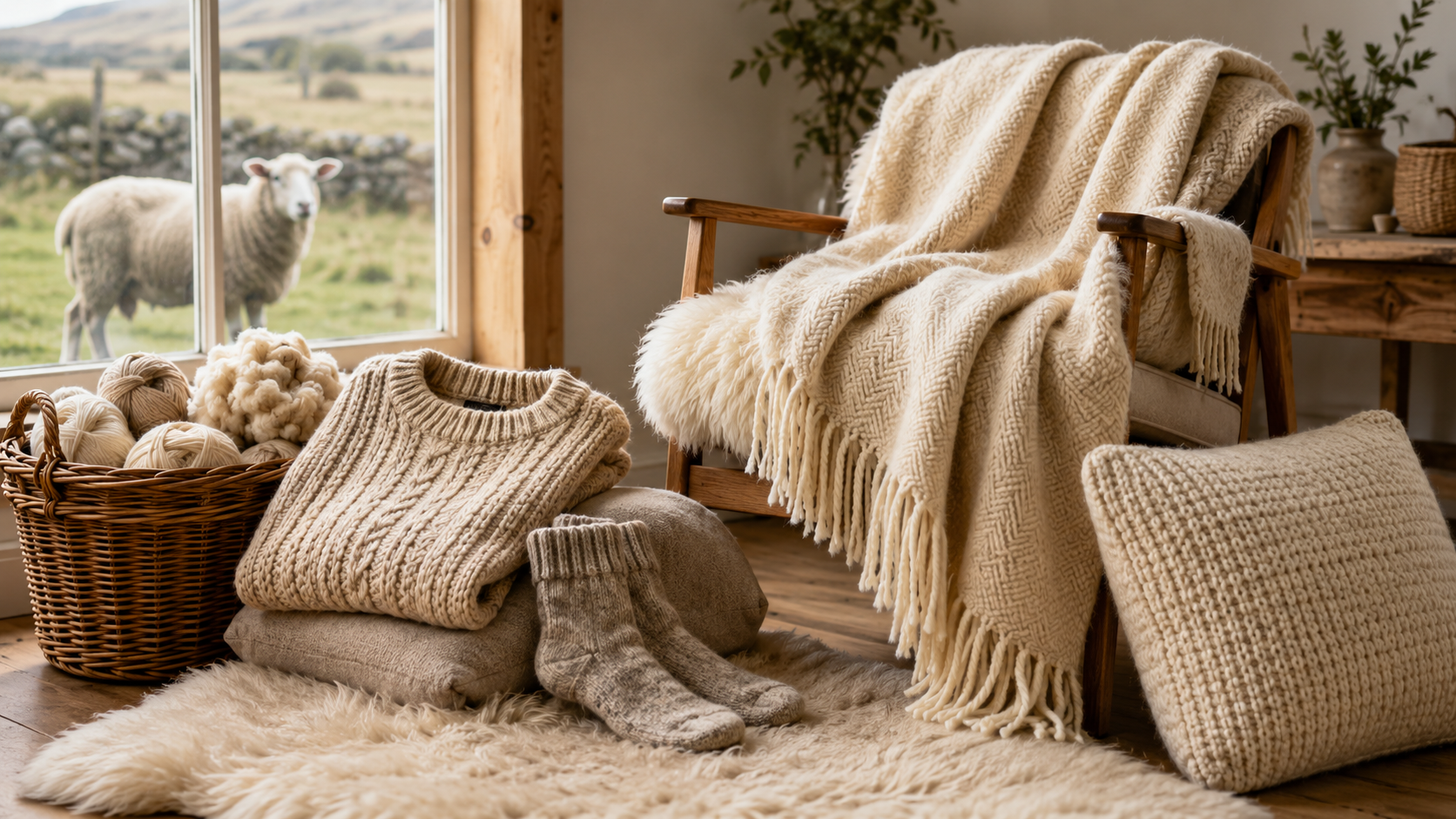
Sheep wool has been part of everyday life for thousands of years, yet many people still think of it as nothing more than a material for thick sweaters and winter scarves. In reality, wool is one of the most useful natural fibers available. It appears in clothing, bedding, carpets, furniture, home insulation, gardening products, craft supplies, and even reusable laundry accessories.
What makes sheep wool so practical is the structure of its fibers. Wool can trap warm air, absorb moisture vapor, resist everyday wear, and return to its original shape after being compressed. It is also renewable because sheep grow a new fleece, and it can biodegrade under the right conditions.
Different types of sheep wool are suited to different jobs. Fine fibers are commonly used in soft clothing, while thicker and coarser wool may be turned into rugs, insulation, padding, felt, or garden products. This versatility means even wool that is unsuitable for premium clothing can still have a useful purpose.
Best Uses of Sheep Wool in Everyday Life
The best uses of sheep wool in everyday life go far beyond winter fashion. Wool can help keep the body comfortable, make a home feel warmer, reduce unwanted noise, protect plants, and provide a durable material for handmade projects.
Because wool manages both heat and moisture, it performs well in situations where many synthetic materials can feel sweaty, heavy, or uncomfortable. Its natural texture also makes it useful for products that need cushioning, resilience, or insulation.
Warm and Breathable Clothing
One of the most familiar uses of sheep wool is clothing. Wool sweaters, coats, scarves, gloves, hats, and thermal layers are popular because the fibers trap small pockets of air. These air pockets help slow down heat loss and keep the body warm in cold conditions.
However, warmth is only part of the story. Wool is breathable, which means it can help prevent the hot, clammy feeling that sometimes develops under synthetic winter clothing. It absorbs moisture vapor from the skin and gradually releases it into the surrounding air.
Common sheep wool clothing includes:
- Sweaters and cardigans
- Winter coats and jackets
- Scarves, gloves, and hats
- Thermal base layers
- Wool trousers
- Shawls and wraps
- Outdoor and hiking clothing
This ability to regulate temperature is one reason sheep wool is popular for winter clothing. It can feel warm outdoors without becoming unbearably stuffy when the wearer enters a heated building.
Is Sheep Wool Soft or Itchy?
Whether sheep wool feels soft or itchy usually depends on the thickness of the individual fibers. Coarse wool fibers are less flexible and may press against the skin, causing an itchy sensation. Fine fibers bend more easily and tend to feel smoother.
Merino sheep wool is known for its fine texture. It is often used in base layers, socks, lightweight sweaters, and T-shirts because it can be worn close to the skin. Regular sheep wool may be thicker, making it better suited to outerwear, blankets, carpets, or products with a fabric lining.
When comparing Merino sheep wool vs regular sheep wool, neither is automatically better. Merino is usually preferred for softness, while stronger, coarser wool can offer excellent durability in household products.
Comfortable Everyday Socks
Sheep wool is an excellent material for socks, especially during cold weather, hiking, travel, or long working days. It provides warmth while helping manage sweat around the feet.
Cotton socks may absorb moisture, but they can remain damp for a long time. Wool can absorb moisture vapor while continuing to provide insulation, even when the fibers contain some moisture. This makes wool socks useful inside work boots, walking shoes, and winter footwear.
The everyday benefits of wool socks include:
- Warmth without excessive bulk
- Cushioning inside shoes
- Better moisture management
- Reduced dampness around the feet
- Natural odor resistance
- Comfort during outdoor activities
In a sheep wool vs cotton comparison, cotton may feel lighter in warm, dry conditions, but wool often performs better when the weather is cold or the feet are likely to sweat.
Sheep Wool Blankets and Bedding
Sheep wool blankets are valued for their warmth, comfort, and breathability. Unlike some heavy synthetic blankets, wool can keep a sleeper warm without trapping too much heat close to the body.
Wool bedding is available in several forms, including:
- Blankets and throws
- Duvets and comforters
- Mattress toppers
- Wool-filled pillows
- Underblankets
- Soft baby blankets
Wool bedding can be useful throughout the year rather than only during winter. During colder months, the fibers trap warmth. In milder conditions, their breathability and moisture management may help reduce overheating.
People who sleep hot often assume wool will make them uncomfortable, but properly made wool bedding can create a more balanced sleeping environment than materials that simply trap body heat.
When choosing sheep wool blankets, check the fiber content carefully. A product advertised as a wool blanket may actually be a blend containing polyester, acrylic, or other synthetic fibers. Wool blends can still be useful, but they may not offer the same feel or performance as a high-wool-content product.
Carpets, Rugs, and Floor Coverings
Sheep wool carpets bring warmth, softness, and texture into a room. Wool fibers have natural elasticity, allowing them to recover after being walked on or pressed by furniture. This makes wool suitable for carpets and rugs in living rooms, bedrooms, hallways, and other frequently used spaces.
Some advantages of sheep wool carpets include:
- A soft feel underfoot
- Natural warmth
- Good sound absorption
- Long-lasting appearance
- Strong resistance to flattening
- A comfortable and traditional look
Wool rugs can also help make a room feel quieter. Their dense fibers absorb some of the sound that would otherwise bounce off hard floors and walls.
Sheep Wool Carpets: Pros, Cons, and Maintenance
Although wool carpets can last for many years, they usually cost more than basic synthetic carpets. They also require proper cleaning. Strong chemicals, excessive moisture, and rough scrubbing can damage the fibers.
To care for sheep wool carpets:
- Vacuum regularly using a suitable setting
- Blot spills instead of rubbing them
- Treat stains as soon as possible
- Use products designed for wool
- Avoid soaking the carpet
- Arrange professional cleaning when needed
Wool can naturally hide small amounts of soil within its textured fibers, but regular maintenance is still important. Allowing dirt to build up can gradually wear down the carpet.
Natural Insulation for Homes
Can sheep wool be used for building insulation? Yes, specially prepared sheep wool can be installed in walls, ceilings, roofs, and loft spaces. Its crimped fibers trap air, creating a barrier that slows the transfer of heat.
Sheep wool insulation may help:
- Keep indoor spaces warmer during winter
- Reduce heat entering during warm weather
- Absorb and release moisture
- Improve indoor sound insulation
- Reduce reliance on some synthetic insulation materials
Raw wool should not simply be placed inside a wall. Insulation-grade wool is cleaned, processed, and usually treated to improve its resistance to insects, mold, and fire.
Sheep wool insulation can be pleasant to handle compared with some irritating insulation materials, but installation should still follow the manufacturer’s instructions and local building requirements.
Felted Household Products
Wool fibers have tiny overlapping scales. When they are exposed to heat, moisture, and friction, they can lock together and form felt. This dense material can be shaped into a wide range of useful household products.
Felted sheep wool is commonly used for:
- Coasters and table mats
- Storage baskets
- Slippers
- Chair pads
- Laptop sleeves
- Protective cases
- Decorative wall hangings
- Children’s toys
- Wool dryer balls
Felt is firm, lightweight, and does not fray in the same way as woven fabric. This makes it convenient for handmade crafts and practical household items.
Reusable Wool Dryer Balls
Wool dryer balls are a simple everyday use of sheep wool. They move between wet clothes in a tumble dryer, helping separate the fabric and allowing warm air to circulate more freely.
Depending on the size of the load and the dryer, wool dryer balls may help shorten drying time. They can also soften clothing naturally without coating the fabric in the fragrances or substances found in some disposable dryer sheets.
A set of well-made dryer balls can be reused for many cycles. They may eventually become fuzzy or slightly misshapen, but this does not always mean they need to be replaced immediately.
Yarn, Knitting, and Handmade Crafts
Sheep wool is widely spun into yarn for knitting, crocheting, weaving, embroidery, and other fiber crafts. Wool yarn is available in many weights, textures, colors, and levels of softness.
It can be used to make:
- Sweaters and scarves
- Hats and socks
- Blankets
- Toys
- Cushion covers
- Bags
- Wall hangings
- Felted decorations
Wool yarn is popular with crafters because it has a gentle stretch and can hold warmth without feeling stiff. Some wool also felts easily, allowing a knitted item to be intentionally shrunk into a denser shape.
How Sheep Wool Goes From Farm to Fabric
The journey from fleece to finished fabric usually begins with shearing. When carried out correctly, shearing removes the fleece without harming the sheep and helps prevent the animal from carrying an overly heavy coat during warm weather.
After shearing, the process generally includes:
- Sorting the fleece by quality
- Removing dirty or unsuitable sections
- Washing away dirt and natural grease
- Carding or combing the fibers
- Spinning the wool into yarn
- Dyeing the yarn when required
- Knitting, weaving, or felting the material
The quality of the finished product depends on the sheep breed, fiber thickness, cleaning process, spinning method, and final construction.
Natural Filling for Cushions and Furniture
Processed sheep wool can be used as filling for pillows, cushions, soft toys, pet beds, mattresses, and upholstered furniture. It provides a soft but supportive feel while allowing air to move through the filling.
Wool filling is useful because it:
- Offers natural cushioning
- Absorbs moisture vapor
- Helps regulate temperature
- Can be reshaped and fluffed
- May last longer than cheap synthetic stuffing
- Creates a comfortable, breathable surface
Over time, wool filling may compress. Pillows and cushions can often be refreshed by airing, shaking, and gently pulling apart compacted areas. Some products also allow additional wool filling to be added when needed.
Gardening and Plant Care
One of the less obvious uses of sheep wool is in the garden. Waste sheep wool and lower-grade fibers that are unsuitable for clothing can be turned into mulch, plant mats, hanging-basket liners, biodegradable pots, and soil-improvement products.
Gardeners may use wool for:
- Holding moisture around plant roots
- Lining hanging baskets
- Protecting young plants from temperature changes
- Covering exposed soil
- Reducing the growth of some weeds
- Adding slow-breaking organic material to the soil
Wool can absorb a significant amount of moisture and release it gradually. This can help the surrounding soil stay damp for longer, particularly in pots and baskets that dry out quickly.
Only clean, untreated, or purpose-made horticultural wool should be used around edible plants. Wool contaminated with unsuitable chemicals should not be placed directly into garden soil.
Pet Bedding and Animal-Care Products
The insulating and cushioning qualities of sheep wool also make it suitable for pet bedding. Wool-filled beds and mats can provide a warm, supportive place for dogs, cats, and other animals to rest.
Older pets may particularly appreciate a padded wool surface because it can reduce pressure against hard floors. Wool blankets and felted mats can also be placed inside crates, baskets, or sleeping areas during colder weather.
Other animal-care products made with wool include:
- Saddle pads
- Pet blankets
- Felted toys
- Crate liners
- Wool-filled dog beds
- Cat sleeping mats
Pet bedding should be aired regularly and washed according to the care label. Allowing wool to stay damp may lead to unwanted odors.
Sound Absorption and Interior Decoration
Wool can make a room more comfortable both visually and acoustically. Dense wool fabrics absorb some sound, helping soften echoes in spaces with hard walls, wooden floors, glass, or minimal furniture.
Interior products made from sheep wool include:
- Curtains
- Upholstery
- Rugs
- Felt wall panels
- Acoustic panels
- Room dividers
- Decorative cushions
Wool wall panels are often used in offices, studios, restaurants, and homes where noise needs to be reduced without making the space feel industrial. They can function as decoration while improving the way sound behaves in the room.
Recycled and Waste Sheep Wool Products
Not every fleece is soft or clean enough to become premium clothing. Some wool fibers are too short, coarse, stained, or uneven. Instead of being discarded, this waste sheep wool can be used in lower-grade but highly practical products.
Common uses include:
- Carpet underlay
- Home insulation
- Furniture padding
- Packaging material
- Industrial felt
- Garden products
- Cleaning cloths
- Recycled yarn
Can sheep wool be recycled? In many cases, yes. Old wool clothing, carpet fibers, and manufacturing scraps can be collected, sorted, shredded, and processed again. Recycled sheep wool may be blended with new wool or other fibers to improve its strength.
Recycling reduces waste and gives damaged or unwanted wool products another useful life. It can also make wool more affordable, although recycled fibers may be shorter and less durable than new fibers.
Sheep Wool as a Sustainable Material
Sheep wool is often described as a sustainable material because it comes from a renewable source and can biodegrade under suitable conditions. A sheep can produce a new fleece after shearing, allowing wool to be harvested repeatedly.
The environmental benefits of using sheep wool may include:
- A naturally renewable supply
- A long product lifespan
- The ability to repair and reuse wool items
- Opportunities for recycling
- Biodegradability
- Useful applications for low-grade wool
However, not every wool product has the same environmental impact. Farming methods, land management, animal welfare, water use, chemical treatments, transportation, and manufacturing all influence the final footprint.
A durable wool coat worn for many years may offer better long-term value than several low-quality synthetic coats that wear out quickly. On the other hand, responsible production and proper care are essential for making the most of wool’s environmental advantages.
Sheep Wool vs Synthetic Fibers
Sheep wool and synthetic fibers each have their own strengths. Polyester and acrylic products are often cheaper and easier to machine-wash, while wool usually offers better temperature regulation and moisture management.
Wool is biodegradable, while most synthetic fibers are made from petroleum-based materials and can release tiny plastic fibers during washing. Synthetic clothing may dry faster, but it can develop odors more quickly.
Wool products often cost more initially, yet a well-made wool item may remain useful for many years. The best choice depends on the product, budget, climate, and how the item will be used.
How to Choose High-Quality Sheep Wool Products
A product name does not always tell the whole story. Before buying wool clothing, bedding, rugs, or household goods, read the material label and check how much wool the item actually contains.
Look for:
- The percentage of sheep wool
- The type of wool used
- Fiber softness
- Strong stitching or weaving
- Clear care instructions
- Recycled wool content
- Product origin
- Animal-welfare certifications
- Environmental certifications
A wool blend is not necessarily poor quality. Adding another fiber can improve strength, stretch, affordability, or ease of care. However, a product containing only a small amount of wool may not provide the same warmth, breathability, or feel as a higher-wool-content option.
For clothing worn next to the skin, fine wool such as Merino is often the most comfortable. For rugs, insulation, and durable household items, coarser wool may be the more practical choice.
Simple Ways to Care for Sheep Wool
Proper care can help sheep wool products last for years. Wool does not always need to be washed after every use. Sweaters, blankets, and outerwear can often be refreshed by airing them in a dry, shaded place.
Useful wool-care habits include:
- Follow the care label
- Wash only when necessary
- Use cool or lukewarm water
- Choose a wool-safe detergent
- Avoid twisting or wringing
- Dry knitwear flat
- Store wool only when it is clean
- Keep storage areas dry
- Protect clothing from moths
- Treat stains before they set
How to Wash Sheep Wool Without Shrinking It
Wool may shrink when it is exposed to heat, strong agitation, or sudden changes in water temperature. These conditions cause the fibers to rub together and tighten, creating a felted texture.
Handwashing is often the safest option for delicate wool. Place the item in cool or lukewarm water with a small amount of gentle detergent. Press the water through the fabric without scrubbing it, then rinse at a similar temperature.
Instead of wringing the item, press out excess water gently. A wet sweater can be placed on a clean towel, rolled to remove moisture, and laid flat to dry. Unless the label clearly allows it, avoid putting sheep wool clothing in a hot tumble dryer.
Blankets, carpets, coats, and structured wool products may need professional cleaning. Following the correct care method helps wool maintain its softness, shape, warmth, and usefulness in everyday life.