

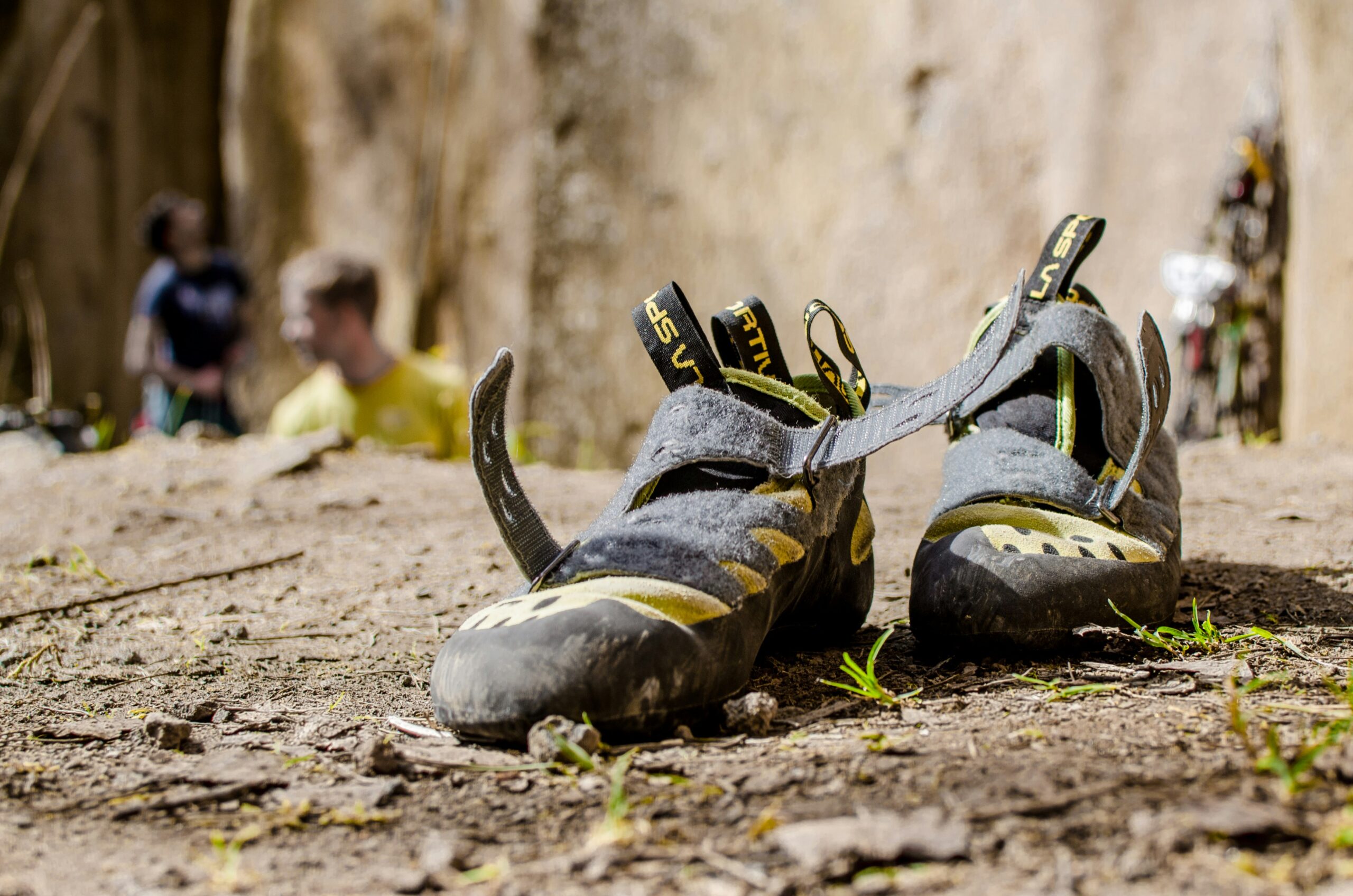
Climbing shoes collect sweat, chalk, dust, and dirt quickly. Because they fit tightly and are often worn without socks, they can also develop strong odors after only a few climbing sessions.
Regular cleaning helps keep them fresh, protects the rubber, and may extend their usable life. However, climbing shoes need gentle treatment. Hot water, washing machines, harsh chemicals, and direct heat can damage the glue, upper, and rubber.
How to Clean and Care for Climbing Shoes
The safest way to clean climbing shoes is by hand using lukewarm water, mild soap, and a soft cloth or brush. Before you begin, check the shoes for loose rubber, damaged seams, peeling glue, or small holes.
It is also important to identify the material. Leather climbing shoes should be cleaned with very little water because they may stretch, shrink, or lose their shape. Synthetic shoes usually handle moisture better, but they should still not be soaked for long periods.
What You Need
You can clean most climbing shoes with a few basic items:
- A soft brush or old toothbrush
- A microfiber cloth
- Lukewarm water
- Mild soap
- An absorbent towel
- Paper towels
- Baking soda or a climbing shoe deodorizer
Avoid bleach, strong disinfectants, alcohol-based cleaners, and heavily scented detergent. These products may weaken the glue or leave irritating residue inside the shoes.
Remove Loose Chalk and Dirt
Start by shaking out the shoes over a bin or outside. Use a soft brush to remove chalk, dust, sand, and dried mud from the upper, seams, straps, and rubber edges.
If the shoes are muddy, allow the mud to dry before brushing it away. Wet mud is harder to remove and may spread across the material.
Open Velcro straps fully and loosen the laces so you can clean around the closures. Avoid using sharp tools or stiff brushes, as these may damage stitching and rubber.
How to Wash Climbing Shoes by Hand
Fill a small bowl with lukewarm water and add a few drops of mild soap. The water should not be hot because heat may soften the glue and affect the fit.
Dip a cloth or soft brush into the soapy water and clean the upper in small sections. Focus on the toe box, heel, straps, and areas where dirt has collected.
Use minimal water on leather shoes. Synthetic climbing shoes can usually handle a more thorough hand wash, but they should not remain submerged.
Follow these steps:
- Brush away loose dirt and chalk.
- Clean the upper with mild soapy water.
- Gently scrub dirty seams and straps.
- Wipe away soap with a clean damp cloth.
- Blot the shoes with a dry towel.
Do not twist or squeeze the shoes to remove water. This can distort their shape and strain the glued sections.
How to Clean the Inside of Climbing Shoes
The inside of climbing shoes collects sweat, dead skin, and bacteria, which are the main causes of unpleasant odor.
Dampen a clean cloth with mild soapy water and wipe the footbed, heel cup, and inner sides. Use a soft toothbrush on textured areas if necessary.
Avoid filling the shoes with water. A soaked lining takes longer to dry and may weaken the adhesive.
After cleaning, press an absorbent towel into the shoes to remove moisture. Leave them open until they are completely dry.
How to Clean Climbing Shoe Rubber
Dirty rubber may feel less sticky because chalk, dust, and grime create a layer between the sole and the climbing surface.
Wipe the soles with a damp cloth after climbing. For stubborn dirt, use a soft brush with a small amount of mild soap. Clean the toe, edges, heel rubber, and rand, then remove all soap residue.
Do not sand the soles aggressively or apply chemical grip products. Cleaning can remove grime, but it cannot restore rubber that is already thin or worn smooth.
Can You Put Climbing Shoes in the Washing Machine?
Machine washing is generally not recommended.
The spinning, soaking, detergent, and heat can damage the glue, stretch the upper, deform the heel, or cause the rubber to separate.
Possible problems include:
- Peeling soles
- Damaged Velcro
- Misshapen heel cups
- Shrinking or stretching
- Weakened glue
- Shorter shoe lifespan
Even when a manufacturer says a synthetic shoe is washable, hand washing is usually the safer choice.
How to Dry Climbing Shoes
Proper drying is just as important as cleaning.
Blot the shoes with a towel, then stuff them loosely with paper towels to absorb moisture and help them keep their shape. Replace the paper when it becomes damp.
Open the straps or loosen the laces and place the shoes in a well-ventilated room. A fan can help speed up the process without exposing them to heat.
Never dry climbing shoes with:
- A hair dryer
- A radiator
- A clothes dryer
- Direct sunlight
- A space heater
- A hot car dashboard
High heat can warp the rubber, soften glue, and change the shape of the shoes.
How to Stop Climbing Shoes From Smelling
The best way to prevent odor is to air the shoes out after every session. Do not leave damp climbing shoes inside a zipped gym bag.
To keep them fresher:
- Remove them from your bag after climbing
- Open the straps and loosen the laces
- Let them dry fully between sessions
- Use moisture-absorbing inserts
- Wash your climbing bag regularly
- Clean your feet before climbing
- Wear clean socks when suitable
You can sprinkle a small amount of baking soda inside the shoes overnight. Shake it out thoroughly before wearing them. Too much baking soda may leave residue or irritate sensitive skin.
What to Do If Climbing Shoes Get Soaked
If your shoes become soaked by rain or water, do not place them near a heater.
Press towels into the shoes to absorb moisture, then stuff them loosely with clean paper. Reshape the toe and heel by hand and leave them in a ventilated area.
Once they are dry, check for peeling glue, loose rubber, damaged stitching, or changes in fit. Leather climbing shoes should always be allowed to dry slowly.
How to Store Climbing Shoes
Store climbing shoes in a cool, dry place with good airflow. A breathable shoe bag is better than a sealed plastic bag.
Avoid leaving them permanently in a car because high temperatures can weaken the glue and affect the rubber.
Good storage habits include:
- Making sure the shoes are completely dry
- Keeping them away from direct sunlight
- Leaving straps open after climbing
- Avoiding damp cupboards
- Keeping heavy gear off the shoes
Leather vs Synthetic Climbing Shoes
Leather climbing shoes should be spot-cleaned with a damp cloth and as little water as possible. Soaking may cause them to stretch, shrink, or change shape.
Synthetic climbing shoes usually absorb less water and hold their shape better. They may tolerate more thorough hand cleaning, but hot water and strong detergent should still be avoided.
For mixed-material shoes, use the gentlest method that suits the most delicate section.
A Quick Routine After Every Session
You do not need to deep-clean climbing shoes after every use. A simple routine can prevent dirt and odor from building up:
- Shake out chalk and dust
- Wipe dirty soles
- Open straps or loosen laces
- Remove the shoes from your bag
- Let them air-dry
- Check the toe and rand for wear
This only takes a few minutes and can reduce how often the shoes need a full wash.
Common Cleaning Mistakes
Avoid these habits if you want your climbing shoes to last longer:
- Leaving sweaty shoes in a closed bag
- Using hot water
- Soaking leather shoes
- Applying bleach or strong chemicals
- Scrubbing with a stiff brush
- Drying shoes on a radiator
- Wearing them while damp
- Ignoring loose rubber
When to Resole or Replace Climbing Shoes
Cleaning cannot repair worn-out rubber. Check the toe area regularly, as this is usually where climbing shoes wear down first.
Shoes may need resoling when the toe rubber becomes thin, the edge starts to round off, or a small hole appears. Resoling early may prevent damage to the rand and upper.
Replacement may be more practical when the shoes have large holes, broken straps, severe mold, extensive rubber damage, or a stretched fit that no longer feels secure.